
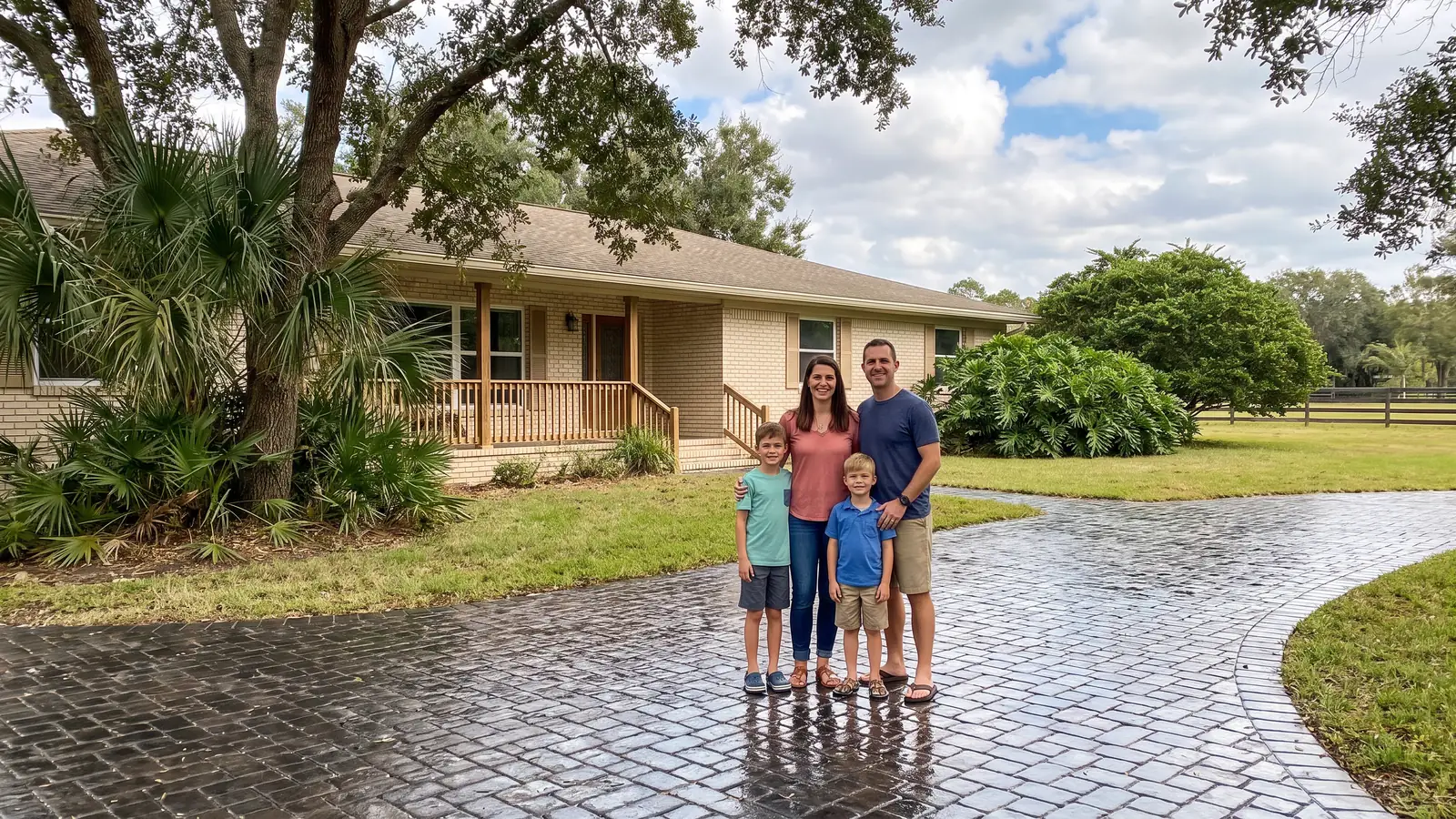
Paver sealing for Paxon homes
Paver Sealing in Paxon, FL
From the old Paxon Field streets to Edgewood Avenue, tired pavers get a free sealing estimate when you call (904) 569-9619.
- Brings out deeper paver color
- Fresh joint sand helps lock pavers in place
- Gives weeds less room to grow
- Makes the surface easier to keep clean
- Free estimate, no obligation
Request a Free Estimate
Free, no obligation.
Fast, careful paver sealing in Paxon
Paver sealing in Paxon starts with a free estimate from a local contractor who cleans, re-sands and seals driveways, walkways and patios. A home near Hammond Park and one off Edgewood Avenue North get the same careful process. Ask through ask for a free estimate and the contractor answers within 1 business day, often much sooner.
Think of the front walk that has gone gray, with sand missing along the edges and a few weeds in the seams. A good wash, new sand and a fresh coat bring back an even tone. You can also call (904) 569-9619 and talk through your pavers before anything is booked.
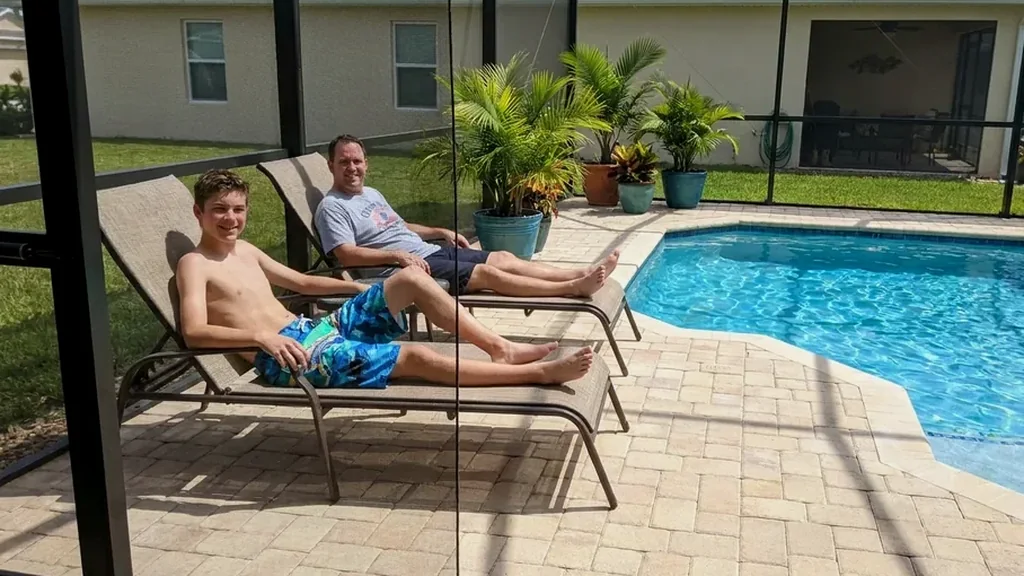
Why hire a local paver sealing contractor in Paxon?
Paxon homes are mostly mid-century houses on modest lots, so paver areas tend to be compact and worth doing carefully. To see how a local contractor would handle yours, ask for a free estimate.
Estimate at no charge
A contractor stops by, looks over your Paxon pavers and hands you a price. Nothing is agreed until you say so. The visit is short and the quote is clear.
Smaller areas, clear pricing
Jacksonville companies post $1.75 to $3.25 a square foot for the full job. Compact Paxon patios and walks are easy to measure and compare.
Finish to match the house
Matte suits a plain block ranch. A wet look deepens color but shows scuffs sooner, so pick for how you live. Samples help you decide before the work starts.
No pressure to commit
You choose the date and the finish. A quote from a Paxon contractor does not obligate you.
Get Your Free Estimate in Paxon
Tell us about your pavers in Paxon.
Free, no obligation
What paver problems show up most in Paxon?
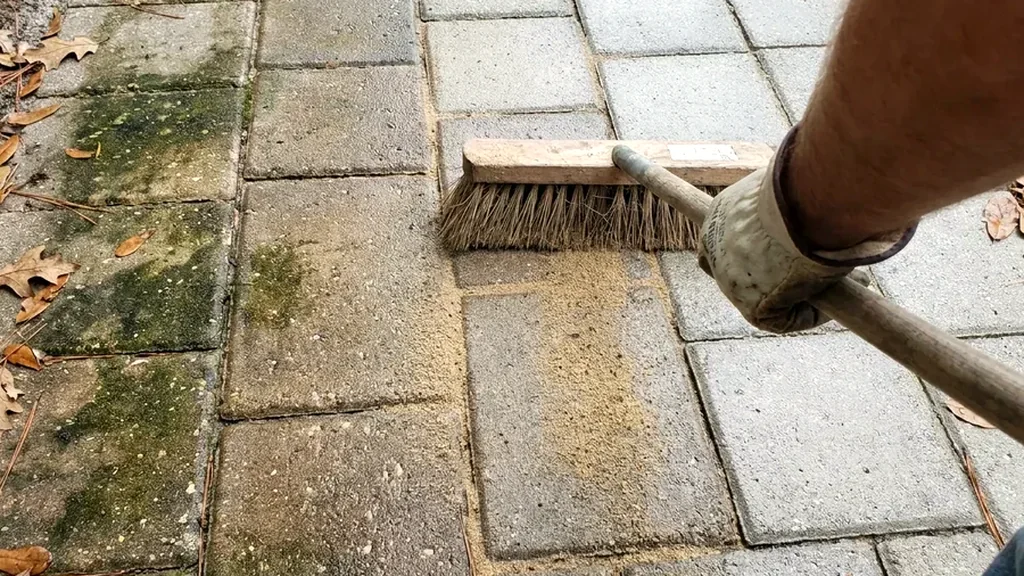
Joint sand lost over decades
Many Paxon homes date from the 1940s through the 1960s, so any pavers added later have had years of rain. Jacksonville averages about 53 inches a year, according to NOAA's recent normals, and much of it falls hard in summer. Heavy rain can carry sand out of the joints. Once joints open, weeds and soil move in. Ask the contractor to check the edges first, since sand loss shows there before it shows in the middle of the drive. Binding the sand with sealer keeps the seams tight through the next round of storms.
Sandy ground under older lots
Soil maps from the USDA show Duval County's Ortega series as fine sand over 80 inches deep that lets water pass quickly. Water drains fast through it, and it can carry bedding sand with it. Where an old drive has dipped, the stones should be reset before sealing. A walk corner that gives underfoot deserves a mention at the first visit. That fast drainage is a plus for puddles, though it means the ground under the stones needs to be checked more often than in clay country.
Old sealer from an earlier owner
Roughly half of Paxon homes are rented, per the Census count for the ZIP, so a driveway may have passed through several hands. Nobody may remember what was put on it. A water-based product will not bond over a solvent-based one, so the contractor has to learn what the old coat is. A quick question to the last owner, or a look through old paperwork, can save a day of guessing. A short test spot on a corner of the drive can also show how the old surface takes water.
White haze on newer pavers
Unilock explains that efflorescence is a white mineral haze that rain alone may not clear, and that pavers need to be free of it before sealing. A patio added during a remodel can show it in its first year. Sealing too soon can trap it, so a patient start saves money. The fix is simple: wait out the haze, treat it if it shows, and seal after the surface is clear. Homeowners often mistake the haze for dirt, and a wash alone will not always clear it.
Traffic and tires on tight drives
Smaller lots mean cars park close to the house and turn on the same few feet of pavement. One Jacksonville company says driveways wear faster than patios. Tire marks and oil show up first at the apron by the street, and that is where a wet-look coat shows scuffs soonest. Parking on the grass for a day after sealing lets the coat set without early scuffs. A driveway used by two cars every day should be inspected for rutting along the wheel paths.
Are the homes around Paxon old enough to need special care with sealing?
Yes, they often are, because a realty guide describes Paxon as an established mid-century neighborhood built out mostly between the 1940s and 1960s. Homes are mostly single-story frame and block houses, with a median build year near 1954. Older masonry and shrubs sit close to the pavers, so the contractor will rinse with care when you ask for a free estimate.
Streets such as Commonwealth Avenue, Lowell Avenue, Detroit Street, Melson Avenue and Columbus Avenue carry many of the homes on record. Lots are described as modest, and the same guide tells buyers to check easements and shared driveways. If your drive is shared, call (904) 569-9619 and say so, since the contractor needs to know where one owner's surface ends.
No mandatory HOA or CDD was identified for Paxon, though deed restrictions should be checked parcel by parcel. About half of occupied homes in the ZIP are rented. Tenants and landlords can both ask for a quote, and the contractor will want the owner's go-ahead, so ask for a free estimate and mention who owns the property.
What does paver sealing cost in Paxon?
Jacksonville companies post $1.75 to $3.25 a square foot for the whole wash, sand and seal. A small Paxon patio is a short job, but setup does not shrink with it, so the per-foot rate can sit higher. A long drive off a side street may sit lower. To see where yours falls, ask for a free estimate.
A Jacksonville crew describes spending two to three prep hours for each hour of sealing. Old failed sealer, which may need stripping, and deep staining add to that prep. A call to (904) 569-9619 gets you straight answers about your address before any work begins.
| Paved area | Typical example | Clean, sand and seal |
|---|---|---|
| 300 sq ft | Small patio or walkway | $525 to $975 |
| 600 sq ft | Two car driveway | $1,050 to $1,950 |
| 1,000 sq ft | Large driveway or pool deck | $1,750 to $3,250 |
| 1,500 sq ft | Driveway plus pool deck | $2,625 to $4,875 |
Math based on the $1.75 to $3.25 per square foot that Northeast Florida paver companies published as of November 2026. Your contractor sets the actual price after seeing the surface. Repairs, leveling and stripping failed sealer are usually extra.
How does a paver sealing job work in Paxon?
Check the base and the old coat
The contractor walks the surface and looks for sunken stones, loose edges and signs of a past sealer. A Northeast Florida company notes that failing edging may need repair so pavers stay locked in. Dips get reset ahead of time, since a coat laid on top would keep the dip. Knowing the old product also decides which new sealer can go on. Snap a few pictures of loose or low spots, and the quote comes together faster. Pooling beside the foundation is noted too, because it shows where trouble begins.
Wash without harming the stone
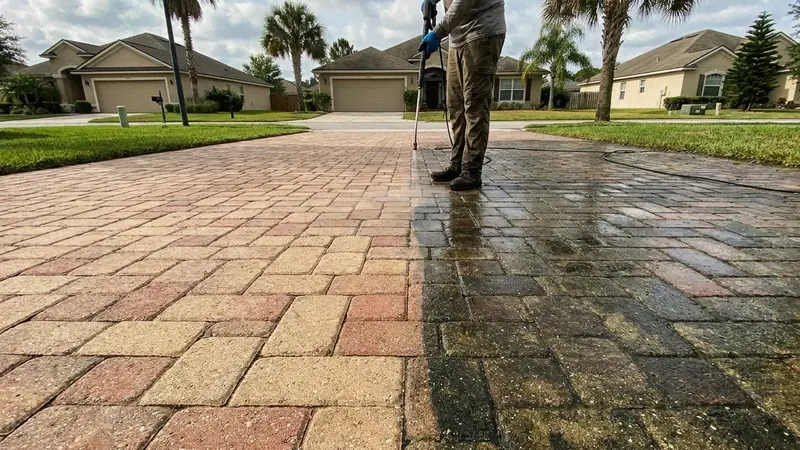
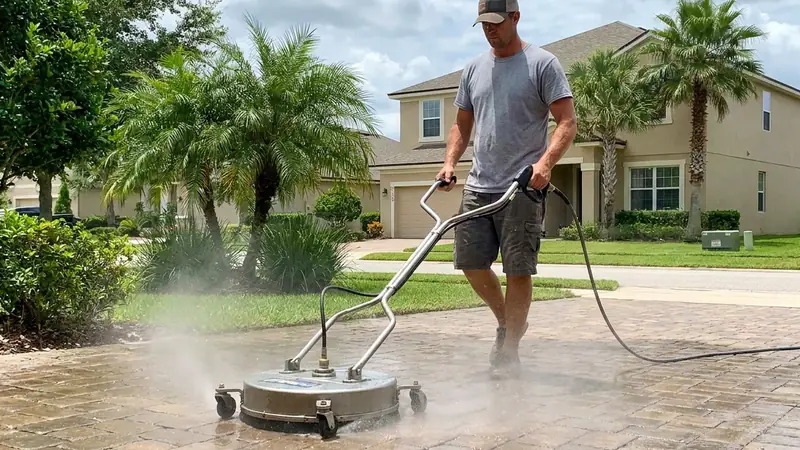
A trade supplier warns that going above about 3,000 PSI on standard concrete pavers risks stripping the surface. A careful contractor keeps pressure moderate and rinses away from block walls and foundation plantings. Mildew, leaf stains and tire marks come off at this stage. Rust and oil marks are handled separately. Plants beside a block wall can be rinsed afterward, so a wash does not leave residue on leaves. Runoff heads for the street, away from the next lot.
Replace joint sand
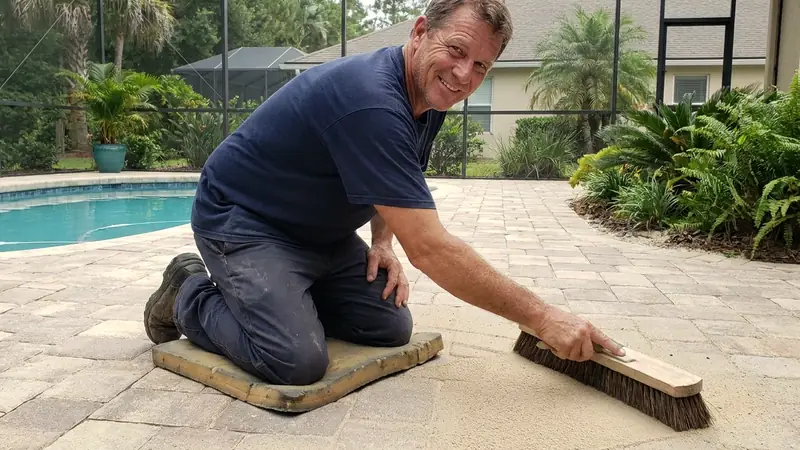
The wash empties the seams, so they are filled again and swept. A Jacksonville company says polymeric sand needs a long dry spell to set and can wash out in one afternoon storm. For that reason many contractors use clean, dry sand that the sealer then locks in. Ask which kind your job will use. Wide, deep seams take extra sand and extra time. Edges along the curb or walls get extra attention, because sand escapes there first.
Wait for dry stones
A sealer maker's bulletin says most of its products need the surface to dry for 24 hours after cleaning or rain. Sealing damp stones can trap moisture and turn the coat white. In summer the contractor may watch the radar and reschedule, which is a sign of care, not delay. Side paths squeezed between houses dry slowest, so they are often saved for last. The go-ahead depends on that morning's weather.
Spray, back-roll and stay off
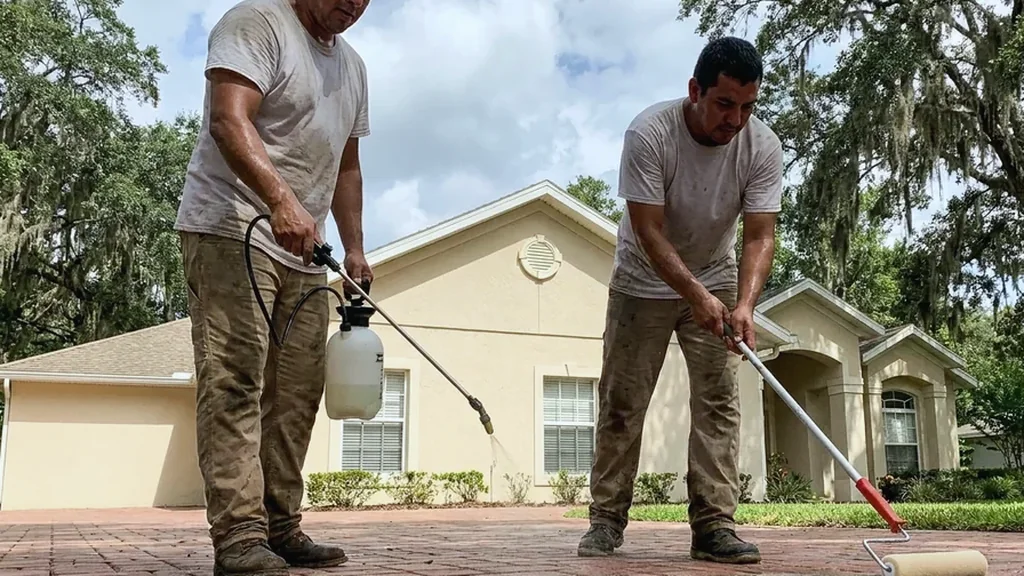
Sealer is sprayed on and then rolled in. A Jacksonville company says sealing damp pavers or laying it on thick leads to white or blotchy results. One local company says a full job needs about three days off the surface, counting two days of work and a day of cure. Ask the contractor for the exact timing on your drive. Get the product name on paper, and the next coat can follow the first. Foot traffic is usually fine within hours, and tires wait a day.
Complete paver services in Paxon
A Paxon sealing job runs in a set order. The contractor washes, replaces the sand, lets the stones dry and then seals. Each step prepares the next. To see how that order plays out on your driveway, call (904) 569-9619.
Front walks and carports see foot traffic and tires every day. Back patios near trees collect leaf stains and algae. Side paths between close houses stay damp longer. List the areas you care about when you ask for a free estimate, and each gets its own line in the quote.
Chemistry comes in two types, water-based and solvent-based, and the sheen runs from matte to wet. A supplier's guide sorts them into film-forming acrylics that sit on the surface and penetrating products that soak in and leave the color alone. The old coat decides what is allowed. A quick call to (904) 569-9619 can sort out which sheen fits a mid-century house.
Jacksonville's wettest months run May through September, with short hard storms. A schedule near the edge of that season carries more risk of a rain delay. The drier stretch from November to April gives a calmer window. To find a date that suits your week, ask for a free estimate.
Questions to ask before you hire
- Will you tell me when the pavers should be sealed again?
- Will you test a small patch before you seal the whole driveway?
- Is the price per square foot, or one total for the job?
- How long does the surface need to dry before the sealer goes on?
- How long before cars can go back on the driveway?
- Will the sealer leave a wet look or a flat natural finish, and can I choose?
- What happens if it rains within a day of the job?
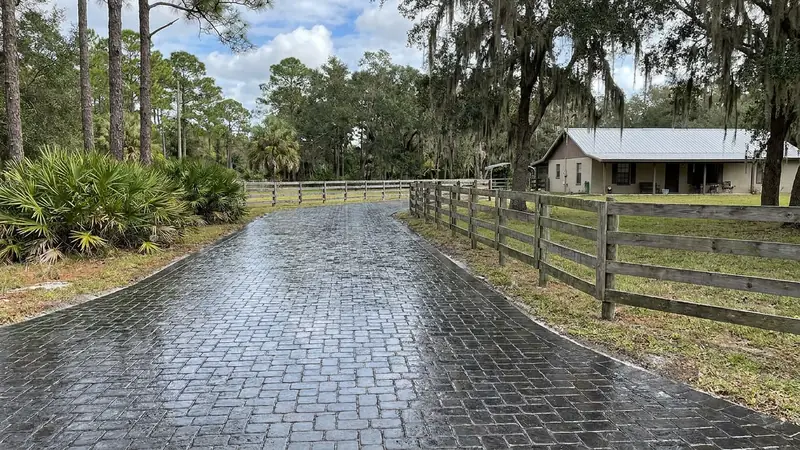
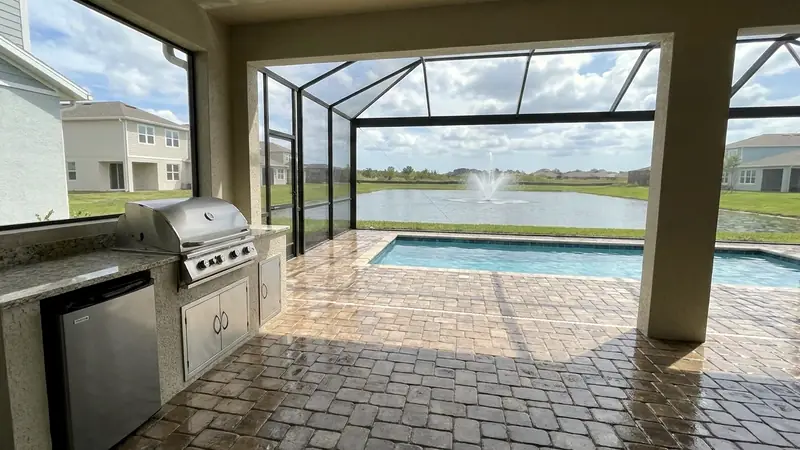
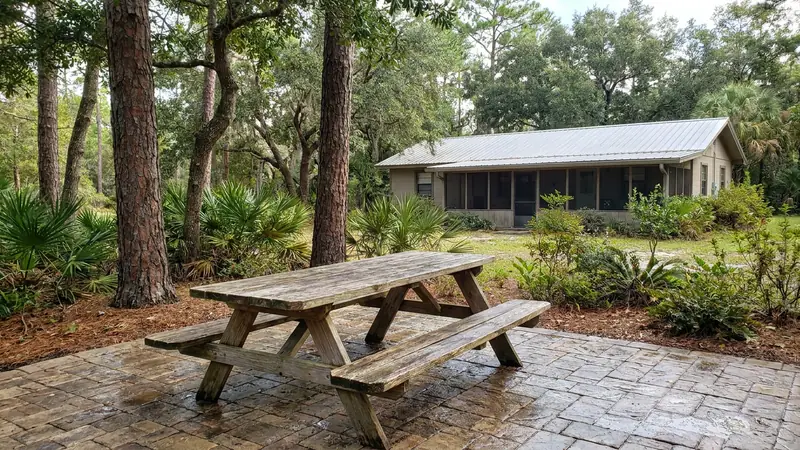
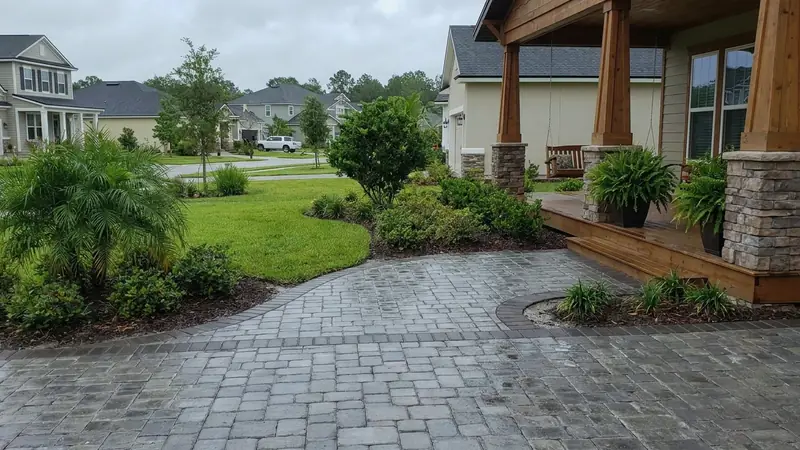
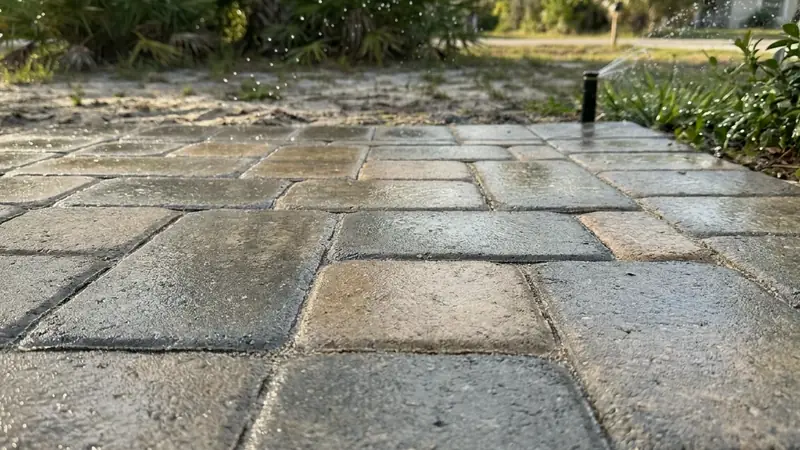
What do sealed pavers look like around Paxon?
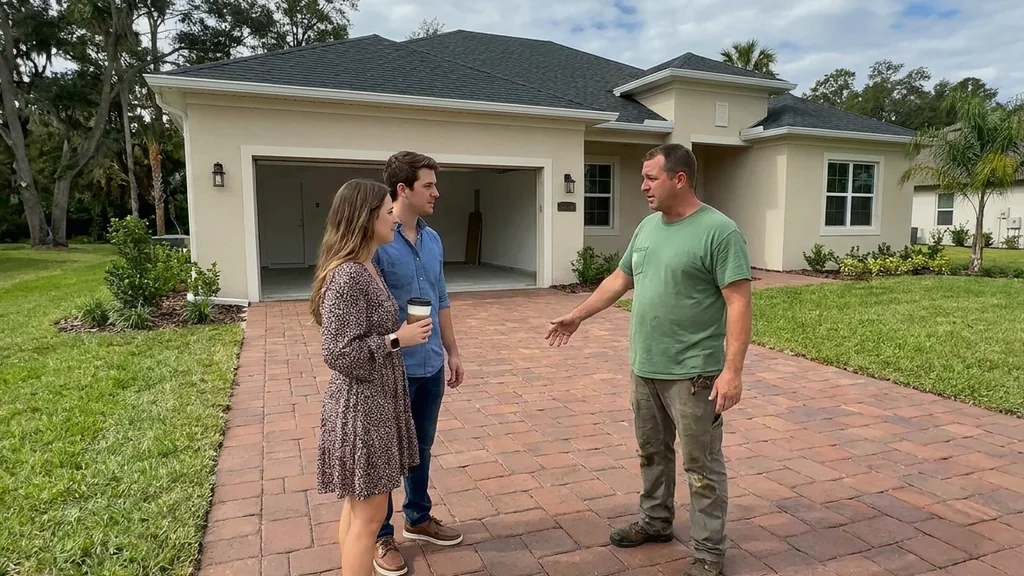
Why local matters in Paxon
Contractors who work the Westside know that the blocks near Edgewood Avenue and Beaver Street date from a different era than the new subdivisions. That means older block walls, narrow side yards and modest drives. Knowing this up front helps the quote reflect real conditions. To find a contractor who works these Westside streets, call (904) 569-9619.
Local knowledge also covers rain. Paxon sits on sandy Duval County soil that drains fast, so joint sand can disappear after a big storm. A local contractor expects that and plans to replace sand and check the base. If you ask for a free estimate, you can ask what that plan would mean for your drive.
Renters and owners both use the same pavers here, so a clear plan matters. A contractor used to this part of town will explain the work in plain terms and give a written number. That helps a landlord and a tenant agree on a job. Ask for a free estimate, since you can ask for a free estimate without obligation.
What is the story behind the name Paxon?
It comes from the Paxon family, who owned land in Woodstock Park, and from Paxon Field, a grassy strip pilots began using in 1923 on the city's western edge. Aviator Bessie Coleman died in 1926 while rehearsing for an air show there. A memorial plaque hangs at Paxon School for Advanced Studies today. If you live near the school, ask for a free estimate.
Paxon High opened in 1954 on the old field, and Hammond Park on Melson Avenue began as Paxon Park in 1955. Paxon Shopping Center, at Edgewood Avenue North and Broadway Avenue, opened in 1958 and still stands. Woodstock Park, platted in 1917 next door, has streets named for Great Lakes waterways. If your street is near any of these Paxon landmarks, call (904) 569-9619 and give the cross street.
Frequently Asked Questions
Is it good to seal pavers in Florida?
Yes, in most cases. A local paver company credits sealing with less sun fade, less sand washout and less mildew. Paxon's sandy ground and summer storms make joint protection worth a look. Ask the contractor which finish fits your home. A free visit shows which finish and prep your Paxon stones need.
How long do paver sealers last in Paxon?
Typical quotes run two to five years from coat to coat. Another company explains that sun, rain and traffic wear sealer down, and that stones which drink water instead of beading it are ready for a recoat. Tight Paxon drives with daily parking may want the shorter end. A simple water test on the stones can show where you stand.
What is the average cost to seal pavers in Paxon?
Jacksonville companies publish $1.75 to $3.25 per square foot for the wash, the sand and the sealer together. Ask for the area in the quote so you can compare.
Is it better to spray or roll paver sealer?
Contractors typically do both. Crews often spray first and then roll the product in, a Jacksonville company explains, which evens out the coverage. A sealer maker adds that excess left to dry can cause mottling.
How long does a paver sealing job take in Paxon?
A typical driveway takes about two days of work and a day to dry, according to one Jacksonville company. Compact Paxon patios can go quicker. Rain pushes the date back. Larger jobs with several surfaces take longer, and the contractor will give a clear schedule.
Can my landlord or tenant arrange paver sealing in Paxon?
Either can ask for a quote, but the owner has to approve the work. About half of occupied homes in the ZIP are rented. Name the owner when you request an estimate so the visit goes smoothly.
What does paver sealer do for old joints in Paxon?
It stabilizes joint sand so rain is less likely to wash it out. A Northeast Florida company also says it limits weeds. On Paxon's fast-draining sand, that is a real benefit.
Will pressure washing alone fix my pavers?
Not for long. A Jacksonville company warns that hard spraying can shake joints loose and move sand, and washing alone leaves the stones open to stains again. Sand and sealer finish the job. A sealed surface is easier to rinse clean afterward as well.
What happens if I seal pavers while they are damp?
The sealer can trap moisture and turn white or blotchy. A sealer maker says most of its products need the surface dry for 24 hours after cleaning or rain. Paxon's summer storms make timing the main reason a date may move.
Does the color of joint sand matter on my Paxon pavers?
It can. A Northeast Florida company offers six joint sand colors and says a low-contrast color makes the surface look clean and solid. The color is picked when the joints are refilled, so ask to see the options before the job starts.
Can new pavers in Paxon be sealed right away?
It is better to wait. Unilock says it is best to wait two to three months, and sometimes up to a year, so efflorescence can clear first. A patio added in a remodel should be looked at before any coat goes on.
Does paver sealing change the color of my pavers in Paxon?
It can. A wet-look sealer deepens color, while matte keeps the natural appearance, according to one Jacksonville company. Penetrating products leave the look unchanged. A small test patch can settle the choice.
Nearby areas we serve
Ready for a Free Estimate in Paxon?
Call (904) 569-9619 and tell us about your pavers.
Free, no obligation